Tile Work on Hillside Homes in the Hollywood Hills
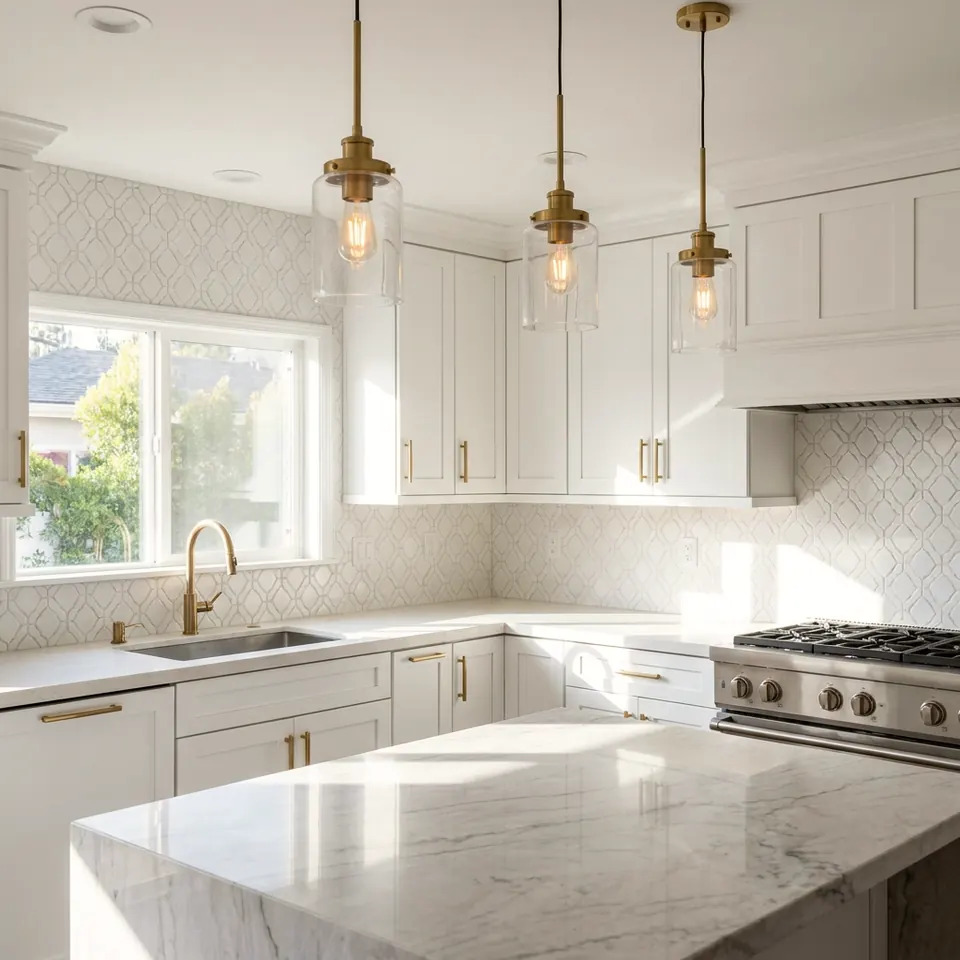
If you are hiring a tile contractor in the Hollywood Hills, the biggest differences from flat-lot work are access, moving ground, and moisture. Steep streets, narrow driveways, older framing, and slab or subfloor movement all affect how tile should be planned and installed. Good hillside tile work starts with a close look at the substrate, the water path, and how materials will physically reach the room.
Why hillside homes make tile work different
Many homes in the Hollywood Hills were built on slopes, with stepped foundations, raised wood floors, cantilevered decks, and additions layered over several decades. That mix creates conditions you rarely see on a flat suburban lot.
Here is what tends to matter most:
- Movement. Wood-framed floors flex, and hillside structures can shift slightly over time. Tile and grout are rigid, so they crack when the base under them moves.
- Moisture. Slopes direct water toward and around foundations. Crawl spaces and lower-level rooms can stay damp, which affects tile on slabs and in bathrooms.
- Odd geometry. Rooms are often out of square, floors out of level, and walls out of plumb. Tile layout has to absorb that without looking crooked.
- Access. Narrow, winding roads limit truck size, parking, and where material can be staged.
None of this makes tile impossible. It means the prep matters more than the tile itself.
Start with the substrate, not the tile
A tile job is only as good as what is under it. On hillside homes, we look at the base first.
Wood subfloors. Check for bounce, soft spots, and squeaks. Deflection is the enemy of tile. A stiff, flat subfloor with an appropriate underlayment is the starting point. The Tile Council of North America (TCNA) publishes industry installation methods that contractors commonly reference for these assemblies.
Concrete slabs. Look for cracks, level changes, and signs of moisture. Hairline cracks may be handled with a crack-isolation membrane. Active, widening cracks are a structural question, not a tile question.
Walls in wet areas. Showers need a proper waterproofing system, not just tile and grout. Grout is porous and is not a waterproof layer by itself.
Moisture left unaddressed can lead to mold. The EPA's guidance on mold and moisture is a useful reference on why controlling water matters in the first place.
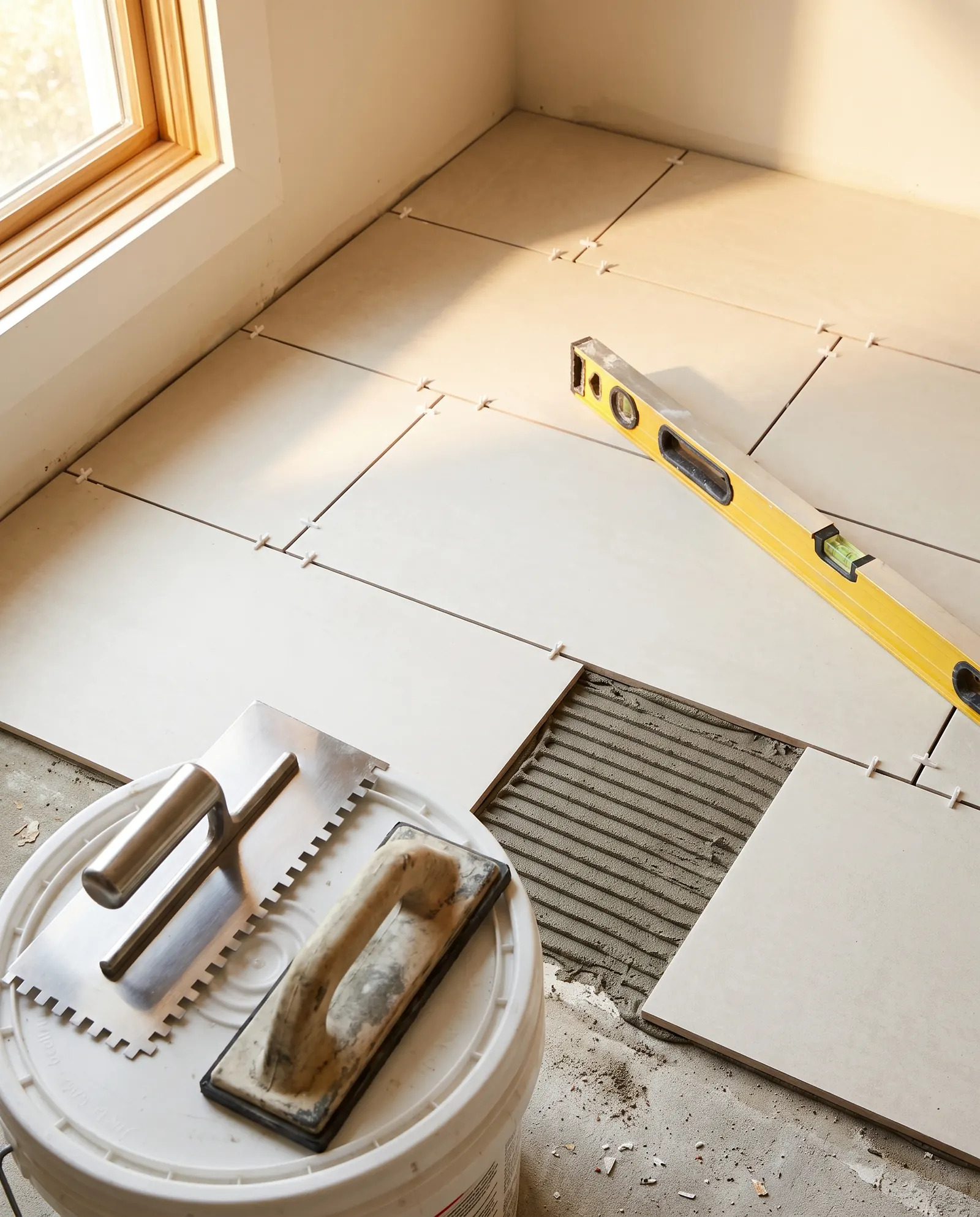
Checking the floor for flatness and deflection comes before any tile goes down.
Planning for tight access and steep streets
Logistics on a canyon road can shape the whole project. Tile is heavy, and large-format porcelain slabs are awkward to carry. Thinking it through early avoids surprises.
Ask about these before work begins:
- Parking and staging. Where can a work vehicle legally and safely stop? Are there street restrictions near your address?
- Carry distance. How many stairs or steps from the street to the room? Boxes of tile, bags of mortar, and backer board add up.
- Material size. Large-format tile and long profiles may not fit through narrow hallways or turn tight stair landings.
- Dust and water control. Cutting and mixing need a plan, especially with close neighbors and shared walls or slopes.
- Delivery coordination. Spread out deliveries so materials are not piled in a driveway or blocking a neighbor.
A contractor who asks about your access up front is thinking about the real job.
Choosing tile and setting materials for slopes and movement
Not every tile suits every hillside room. Match the material to the conditions.
| Option | Where it works well | Hillside consideration |
|---|---|---|
| Porcelain tile | Bathrooms, kitchens, entries, covered patios | Dense and low-absorption; handle large formats carefully on uneven floors |
| Natural stone | Interior living areas, feature walls | Needs a very stiff base and sealing; sensitive to movement and moisture |
| Ceramic wall tile | Backsplashes, shower walls | Not generally meant for heavy-traffic floors |
| Mosaic tile | Shower floors, accents | Many grout joints help slope and drainage shapes; more grout to maintain |
| Outdoor-rated porcelain | Patios, steps, terraces | Look for slip resistance and suitability for sun and temperature swings |
Beyond the tile, the setting materials matter:
- Flexible, polymer-modified thinset suited to the tile and substrate.
- Crack-isolation or uncoupling membranes where movement is a concern.
- Movement joints at perimeters and in larger fields, filled with flexible sealant rather than rigid grout.
- Flexible grout or sealant at corners and where planes change.
Skipping movement joints is a common reason tile cracks on flexible or shifting bases.

Outdoor steps and patios need slip-resistant tile and a clear path for water to leave.
Outdoor tile, drainage, and permits
Decks, terraces, and entry steps are popular in the hills for the views, but they also face sun, rain, and runoff. Tile outdoors should slope slightly away from the house and toward a drain or edge. Water that pools will find its way under tile and into the structure.
Watch for:
- Water draining toward walls, doors, or retaining structures
- Efflorescence (white mineral deposits), which can signal moisture moving through
- Loose or hollow-sounding tile on steps, a safety risk
Before you begin, find out whether your project needs a permit. Cosmetic tile replacement often does not, but structural changes, new waterproofing over living space, or work tied to retaining walls and decks may. The Los Angeles Department of Building and Safety explains permits and inspections on its website, and hillside parcels can carry added requirements. When in doubt, ask before you demo.
When to call a pro
Some tile work is realistic for a careful DIYer: a small backsplash, a few replaced floor tiles, or regrouting a tub surround. Those jobs are forgiving if you take your time and use the right materials.
Hire a professional when:
- The floor bounces, slopes noticeably, or has cracks that keep returning
- You are building or rebuilding a shower, where waterproofing must be right
- You see mold, staining, or soft drywall behind existing tile
- The job involves large-format tile, natural stone, or a full-room layout
- Outdoor steps, decks, or terraces are involved
- Access is difficult and you cannot move material safely
Before you hire anyone, check the contractor's status with the Contractors State License Board, which has a consumer guide to hiring. Get the scope in writing, including prep work, waterproofing, and cleanup.
Our tile service covers repairs and installations across the area. If you are unsure what you are dealing with, you can send a photo for a written quote and describe the access to your home.
FAQ
Why does tile crack more often on hillside homes?
Usually because the base under it moves or flexes. Wood-framed floors, settling, and older additions can all create movement. Proper prep, membranes, and movement joints reduce the risk.
Can I put new tile over old tile?
Sometimes, if the existing tile is firmly adhered, flat, and the added height will not cause problems at doors and transitions. Hollow-sounding or loose tile should come out first.
Does grout make a shower waterproof?
No. Grout is porous. A shower needs a dedicated waterproofing layer behind or beneath the tile, with careful treatment of corners, seams, and the drain.
What tile works for outdoor steps?
Look for porcelain rated for exterior use with good slip resistance. Drainage and slope matter as much as the tile choice.
Do I need a permit for tile work?
It depends on scope. Simple surface replacement often does not, but structural work or changes tied to decks and retaining areas may. Check with the city's building department before starting.
Sources
- CSLB: Hire a Contractor
- LADBS: Permits and Inspections
- EPA: A Brief Guide to Mold, Moisture and Your Home
- Tile Council of North America
Safety note: work on electrical panels, gas, structure or anything that needs a permit should be done by a licensed contractor with the required permits.
STATOX Handyman Service · Send a photo · +1 (820) 200-4919
Keep reading
 tileCracked or Loose Tile: Causes and Fixes for LA HomesCracked tile repair Los Angeles homeowners can trust starts with finding the cause. Learn what makes tile crack or loosen and what actually fixes it.
 tileDIY or Hire a Pro for Tile Work? How to Decide in LAWeighing DIY tile vs hiring a pro in Los Angeles? Use this plain-language guide to match the job, your tools, and your patience before you start.
 tilePorcelain vs Ceramic Tile: Which Fits a Los Angeles Home?Porcelain vs ceramic tile for Los Angeles homes: how they differ in water, wear, and install, and which suits your floor, shower, or backsplash. Read first.