Mounting a TV in a Pasadena Craftsman or Older Plaster Home
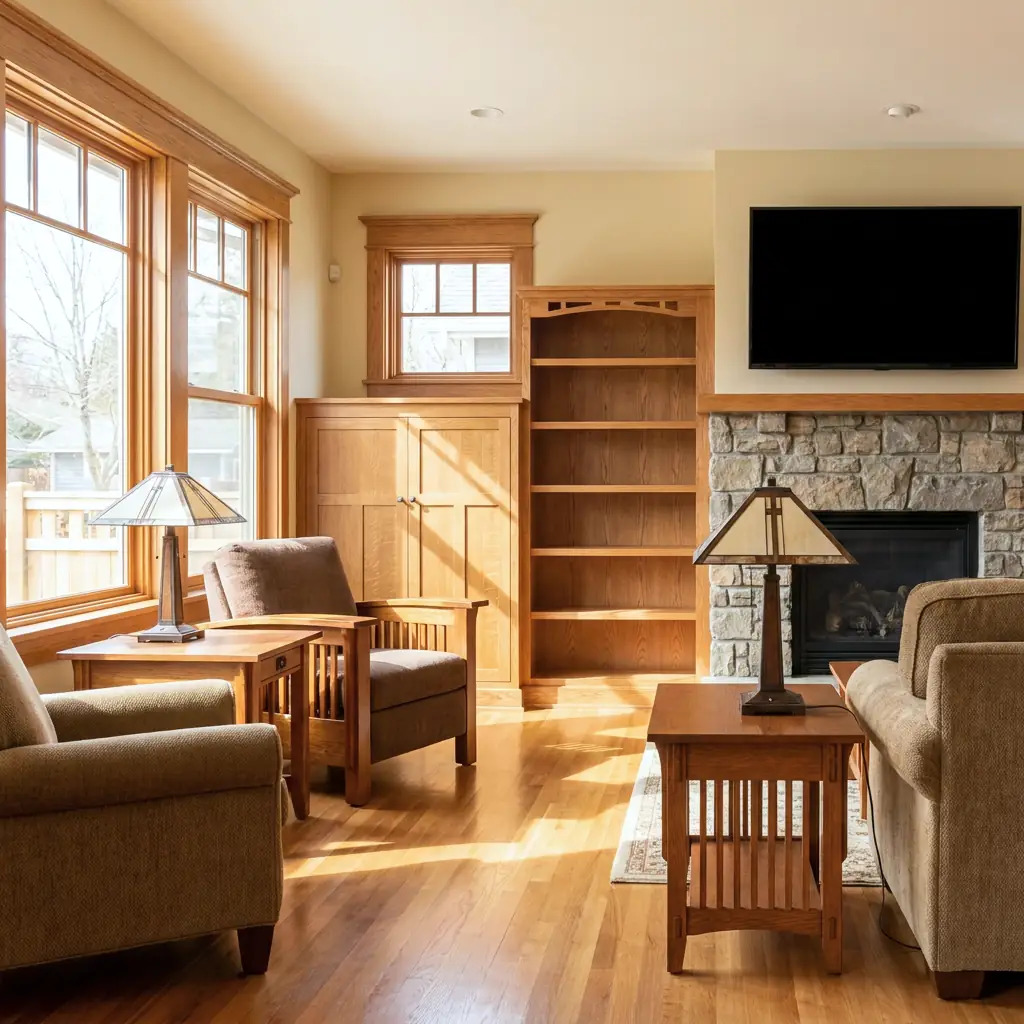
If you want a TV on the wall of a Pasadena Craftsman or other older plaster home, it can absolutely be done, but not the way you would mount one on modern drywall. Plaster over wood lath hides studs, crumbles around the wrong bit, and often has surprises inside the wall. Locate the framing, pick the right anchors, drill gently, and plan the cables before you commit to a spot.
Why plaster walls are different from drywall
Drywall is a uniform gypsum sheet, and most mounting advice assumes it. Older Pasadena homes, including many Craftsman bungalows, were often finished with plaster applied over thin wooden strips called lath. The plaster is pressed through the gaps between the strips to form "keys" that hold it to the wall.
That construction creates a few quirks:
- Hard and brittle. Plaster can chip or crack when a bit grabs or a screw is overtightened.
- Uneven thickness. The surface may vary across a single wall, so a mount may not sit flat without care.
- Stud finders struggle. Dense plaster, lath, and sometimes metal mesh confuse many electronic finders.
- Cracks travel. A small crack near a drill point can grow if the wall is stressed.
None of this makes the job impossible. It just means slowing down and treating the wall as the fragile, character-rich surface it is.
Find the studs before you choose a spot
A TV should be anchored into solid framing, not into plaster alone. Plaster and lath by themselves are not a dependable place to hang a heavy screen.
Try these approaches, from least to most invasive:
- Start with a strong magnet or a deep-scan stud finder. A magnet can sometimes find the nails or screws that fasten lath to studs.
- Check the baseboard and trim. Nail lines in trim often point to stud locations.
- Look at outlets and switches. Boxes are usually fastened to the side of a stud.
- Use a small test hole. A thin finish nail or tiny bit in a spot the mount will cover can confirm wood behind the plaster.
- Measure and repeat. Studs are commonly spaced at regular intervals, so once you confirm one, check the next by measuring over.
Confirm at least two points before drilling anything larger. If results are inconsistent, stop and reassess rather than guessing.
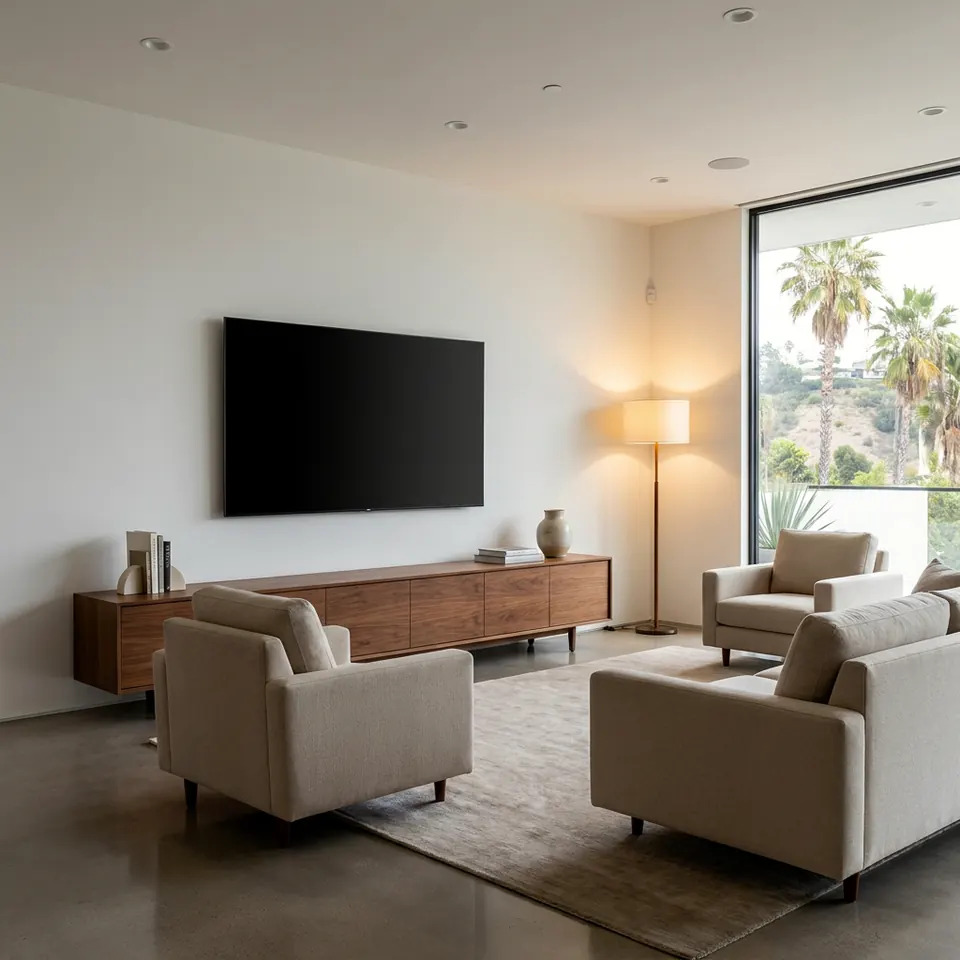
Painter's tape and a small pilot bit keep the layout visible and the plaster intact.
Drilling plaster without cracking it
Technique matters more than force. Plaster rewards patience.
- Mark the mount's holes with painter's tape so you can see the layout and catch small mistakes.
- Start with a small pilot bit, with the drill in regular rotation mode and hammer action off.
- Apply light, steady pressure. If you hit lath, the bit will feel different, and then wood.
- Switch to the correct bit size for your lag screws once you are through the plaster.
- Drive screws by hand at the end so you feel them seat rather than over-compress the wall.
Hammer drilling is the most common cause of blown-out plaster. If the wall is thick or hard, a sharp masonry bit used slowly often works better than speed.
Choosing the right mount and hardware
The mount should match your TV size, weight, and the wall's limits. Check the TV's VESA pattern and weight rating, then confirm the mount covers both with room to spare.
| Mount type | Suited for | Plaster-wall considerations |
|---|---|---|
| Fixed (flat) | Clean look, eye-level viewing | Simplest load on the wall; needs a reasonably flat surface |
| Tilting | Slightly higher placement, glare control | Adds a bit of leverage; solid stud anchoring matters |
| Full-motion (articulating) | Corner spots, open rooms | Greatest leverage on the wall; reserve for confirmed solid framing |
| Over-fireplace | Craftsman brick or tile surrounds | Masonry needs different anchors and heat awareness |
Use the lag screws that come with a quality mount into wood framing, and never substitute drywall anchors for load-bearing points. If the plaster surface is uneven, small spacers or a mount with some adjustment can help the plate sit flat without bending as you tighten.
Hiding cables and respecting old wiring
Cable management is where older homes get tricky. Many walls have no easy path behind them, and some contain older wiring that should not be disturbed.
Before you cut anything, think through:
- Fire blocking and cavities. Horizontal framing inside the wall can stop a cable from dropping straight down.
- Existing wiring. Do not run low-voltage cables alongside unknown electrical lines, and do not assume an old outlet can be extended.
- Power. A power-rated in-wall kit is designed for the job, but a new outlet behind the TV is electrical work to handle with care.
- Surface raceways. A paintable cord cover is often a sensible, reversible choice in a historic room.
If you want a clean look without opening plaster, a surface channel painted to match the wall is a good compromise and avoids large repairs.
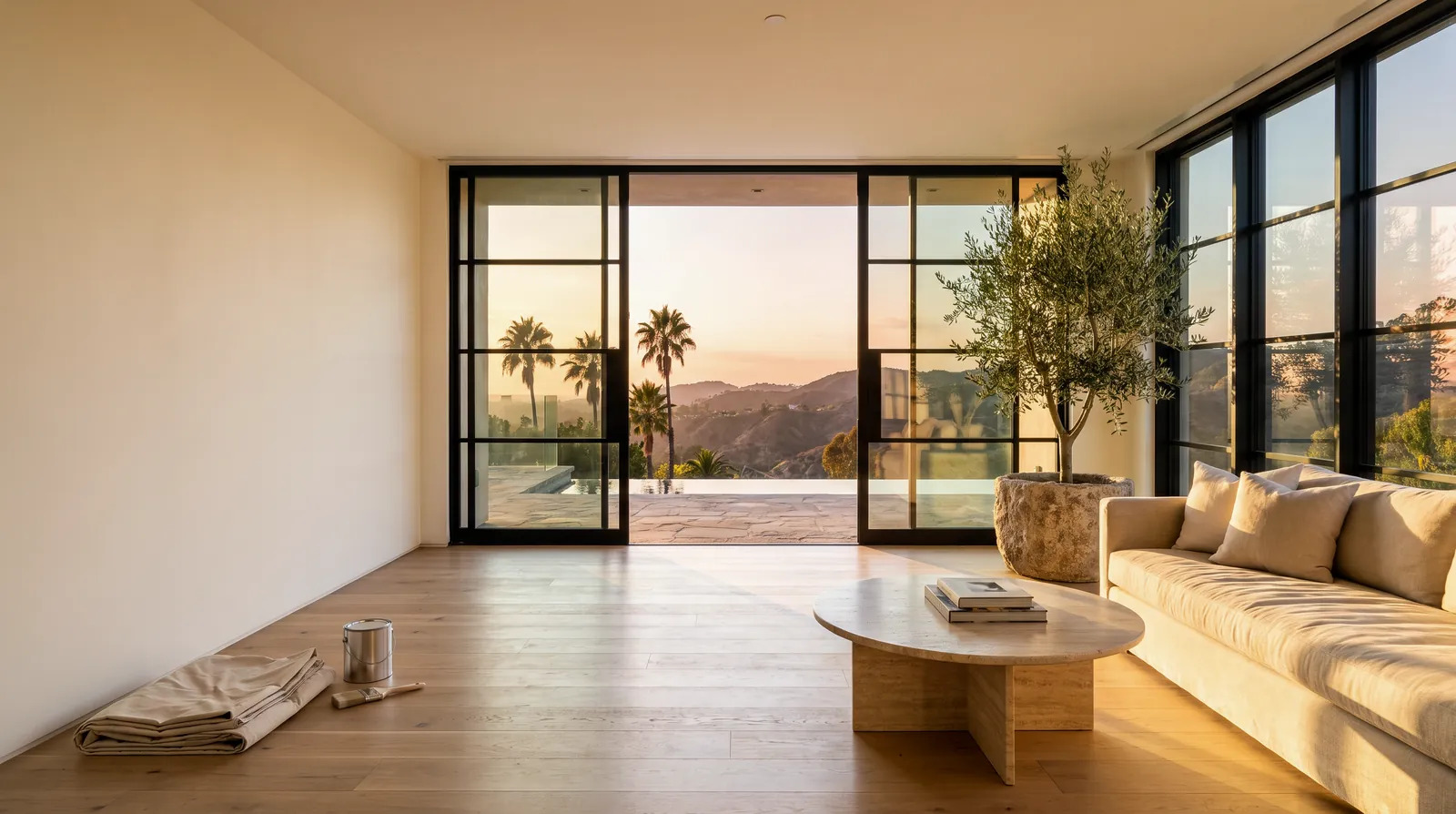
A painted cord cover keeps cables tidy without cutting into original plaster.
Safety, earthquakes, and placement
Los Angeles homes need to think about shaking. A secure, stud-anchored mount is much more earthquake-friendly than a screen leaning on furniture. Earthquake Country Alliance and Ready.gov both encourage securing heavy items so they are less likely to fall during a quake.
Placement tips:
- Aim for the screen's center near seated eye level.
- Keep screens away from direct sun, which hurts visibility.
- Avoid placing above a working fireplace unless heat and clearance have been checked.
- Use a stable ladder and follow basic ladder safety from OSHA. Carry the TV with a second person.
Lifting a large TV onto a mount is a two-person job. Dropping it is the most common way a screen gets damaged.
When to call a pro
DIY is reasonable for a small, lightweight TV on a fixed mount when you can confirm studs and are comfortable with the tools. Many people do this successfully.
Consider hiring help when:
- You cannot confidently locate framing behind thick plaster or mesh.
- The TV is large or heavy, or you want a full-motion arm.
- The wall is cracked, bowed, or freshly repaired.
- You want cables hidden inside the wall, or a new outlet.
- The location is over brick, tile, or a fireplace.
Professionals bring the right bits, stud-finding experience, and a plan for patching if something goes wrong. If you are in the area, our tv mounting service covers homes across Pasadena. You can also send a photo for a written quote so we can see the wall first. If any work involves new electrical or structural changes, check permit requirements through LADBS and verify any contractor through the state's CSLB resources.
FAQ
Can you mount a TV on plaster and lath walls?
Yes. The key is anchoring into the wood studs behind the plaster, not into the plaster alone, and drilling slowly to avoid cracking.
Do I need special anchors for plaster?
For a TV, use lag screws into studs. Plaster-specific anchors are not a substitute for framing on a load-bearing mount.
How do I find studs if my stud finder keeps failing?
Try a magnet to find fasteners, follow trim nail lines, check outlet boxes, and confirm with a tiny test hole in a spot the mount will cover.
Can I hide the cables inside a plaster wall?
Sometimes, but it often means opening the wall and working around framing and old wiring. A painted surface cord cover is a simpler option that protects original plaster.
Is it safe to mount a TV above a Craftsman fireplace?
It can be, but check heat, mantel depth, and the wall material first. Masonry needs the right anchors, and a viewing angle that is too high can be uncomfortable.
Sources
- California Contractors State License Board: Hire a Contractor
- Los Angeles Department of Building and Safety: Permits and Inspections
- Earthquake Country Alliance: Step 1
- OSHA: Ladders
Safety note: work on electrical panels, gas, structure or anything that needs a permit should be done by a licensed contractor with the required permits.
STATOX Handyman Service · Send a photo · +1 (820) 200-4919
Keep reading
 tv mountingTV Mount Problems and Fixes: Wobble, Sag and Crooked ScreensNeed a tv wall mount wobbly fix? Learn why mounts wobble, sag or hang crooked, what to check first, and which repairs are safe to try yourself.
 tv mountingTV Mounting: DIY vs. Hiring a Handyman, Honestly ComparedWeighing diy tv mounting vs professional installation in Los Angeles? See what each route really involves, where DIY goes wrong, and how to choose wisely.
 tv mountingTV Mounting Prep Checklist: What to Do Before We ArriveUse this tv mounting checklist to get your wall, TV, cables, and space ready before your visit, so the install goes smoothly. Read before you book.