TV Mounting in Rancho Palos Verdes: Coastal Air and View Rooms
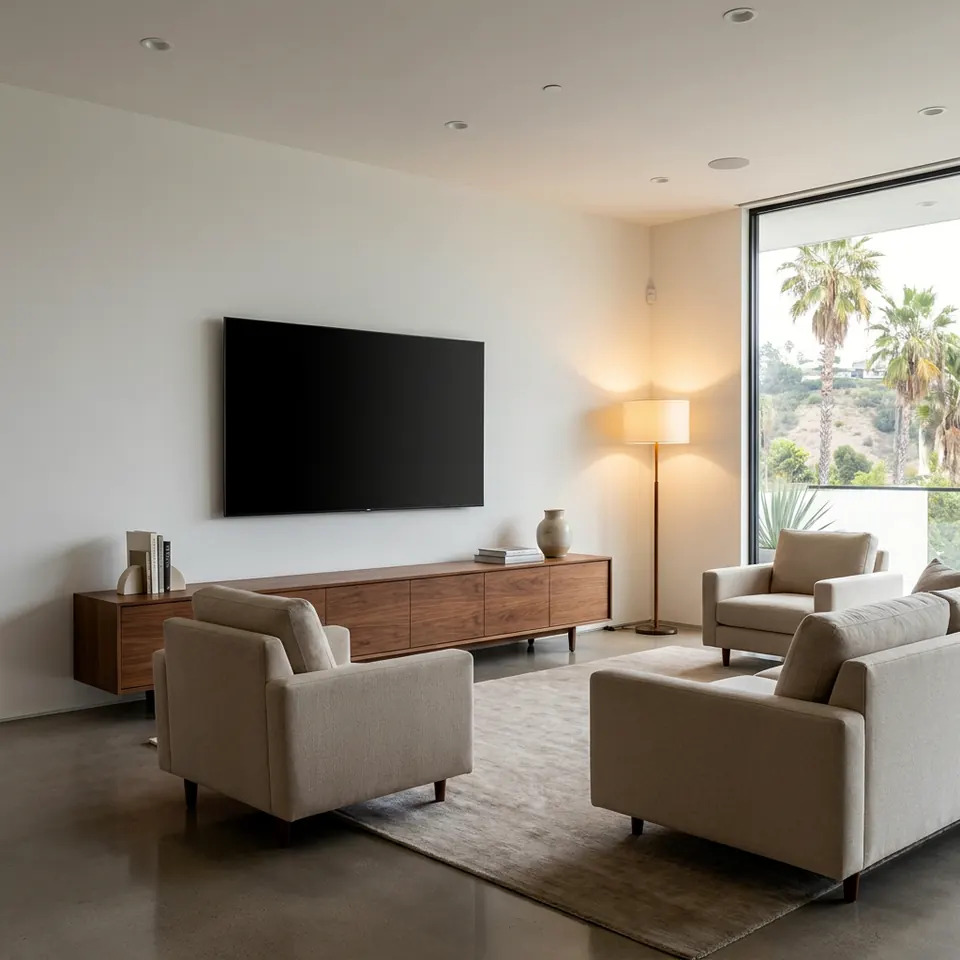
Good tv mounting in Rancho Palos Verdes comes down to three things: finding solid framing behind the wall, choosing hardware that handles salty coastal air, and placing the screen so the ocean view doesn't wash it out with glare. Get those right and the TV sits flat, secure, and comfortable to watch. Skip them and you can end up with a sagging bracket, a rusty bolt, or a screen that turns into a mirror in the late afternoon.
This guide walks through what's different about mounting a TV on the Palos Verdes Peninsula, and how to plan it before anyone picks up a drill.
Why Rancho Palos Verdes Homes Need a Different Plan
Many homes here are built around the view. That means big windows, sliding glass doors, open floor plans, and fewer solid walls than a typical tract house. The wall where you'd naturally put a TV may be mostly glass, a stone veneer, or a tall vaulted surface.
Then there's the air. Living near the Pacific means moisture and salt in the atmosphere. Over time that can corrode cheap steel, dull finishes, and loosen fittings that sit in damp spots, especially on covered patios and outdoor rooms.
Finally, hillside lots often bring custom construction: older ranch homes with plaster, newer builds with thick insulated walls, and additions that don't match the original framing. Each one asks for a slightly different approach.
Planning Around Glare in View Rooms
A TV facing a wall of windows fights daylight all day. Before choosing a spot, do a simple glare check.
- Sit where you normally watch.
- Turn the TV off so the screen is a dark mirror.
- Note what reflects: windows, a bright wall, a lamp.
- Check again in late afternoon, when low coastal sun comes in sideways.
If the reflection is bad, you have options. Move the TV to a wall perpendicular to the windows. Choose a mount that tilts or swivels. Add blinds or sheer shades on the problem window. Sometimes a full-motion arm is the right answer simply because it lets you angle the screen away from the glare.
Also think about the view itself. A big black rectangle can compete with the ocean. A TV on a side wall, or one that can swing flat when not in use, keeps the room feeling open.
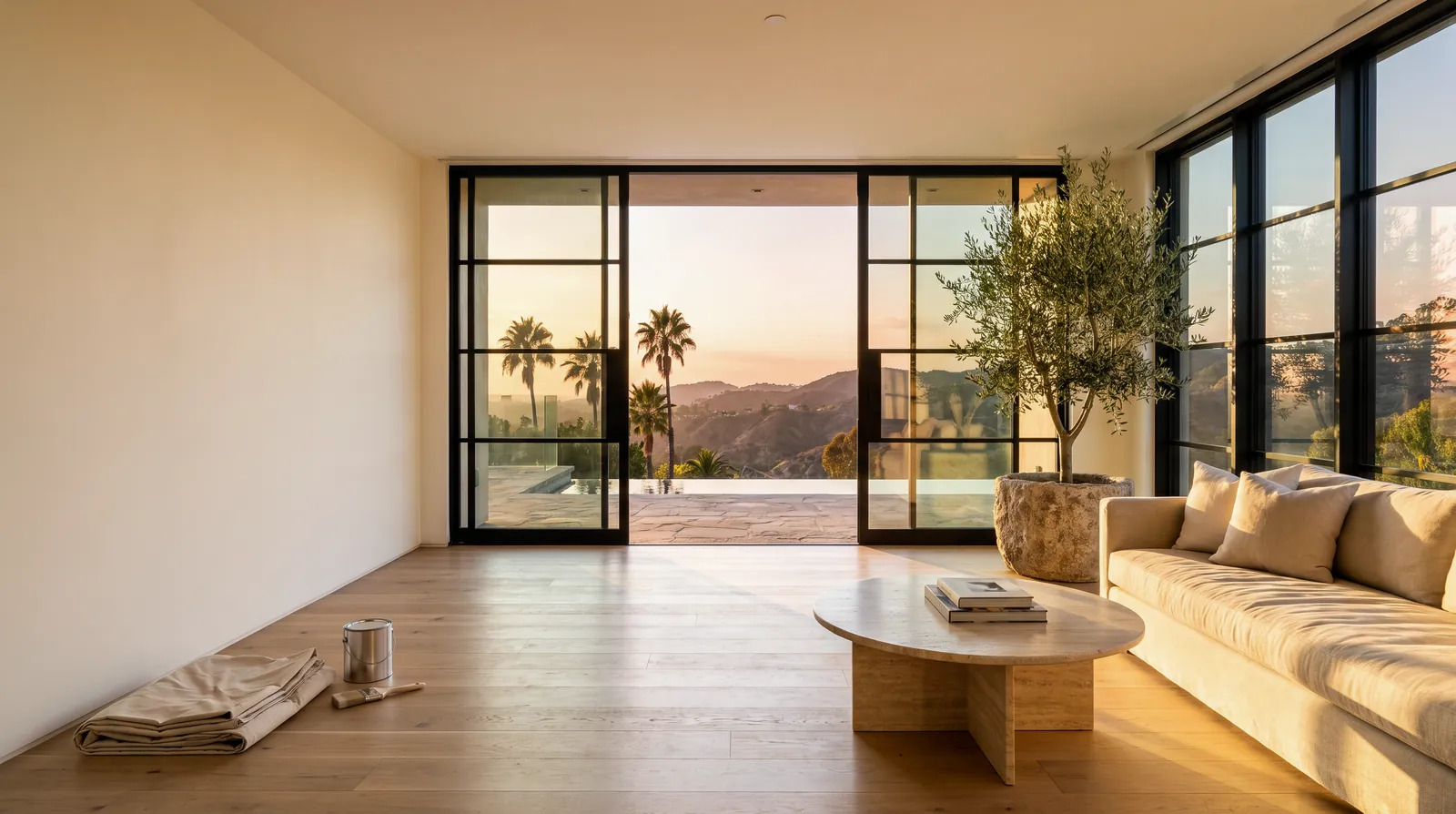
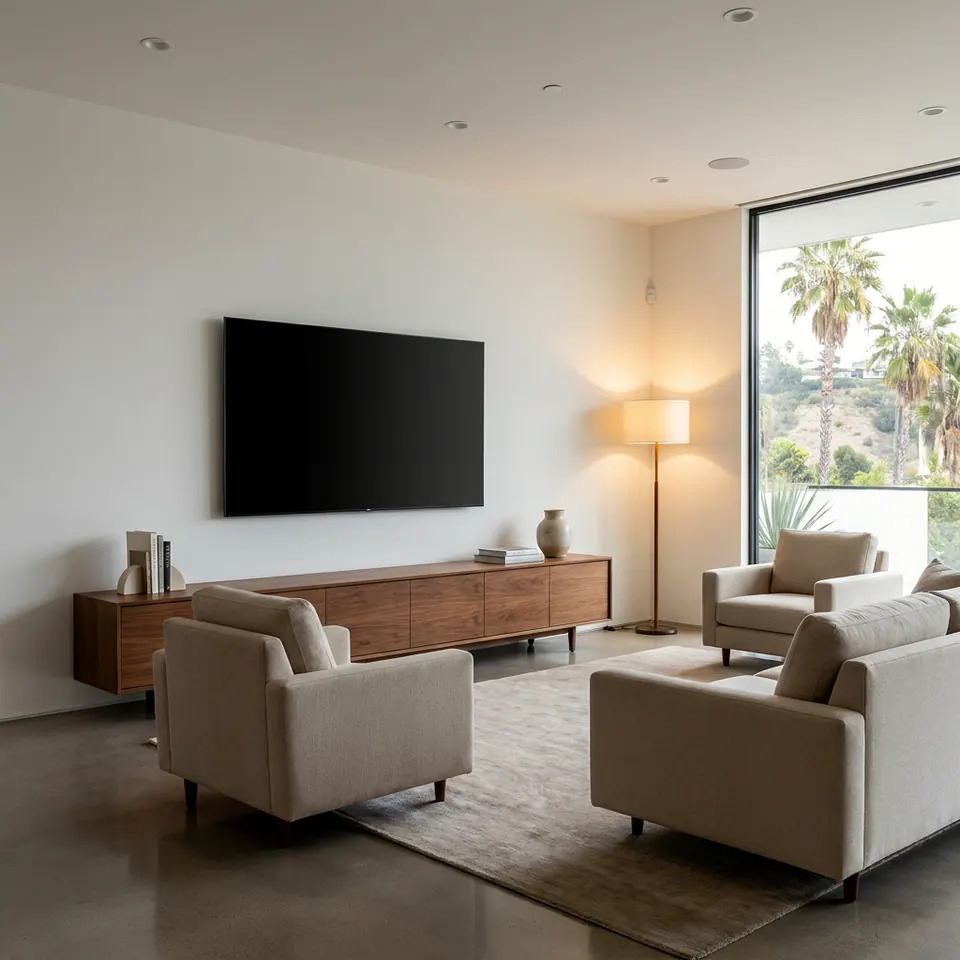
A side-wall placement keeps the view clear and the screen out of direct window reflections.
Choosing Mounts and Hardware for Coastal Air
Not every bracket handles salt air equally. For indoor rooms close to the coast, a powder-coated or plated mount is usually fine, but check the hardware for early rust after the first season. For covered patios, lanais, or any room that stays damp, look for corrosion-resistant fasteners and mounts designed for outdoor or humid use.
Here's how the common mount types compare for a view home:
| Mount type | Suits | Watch out for |
|---|---|---|
| Fixed | Slim profile, wall with no glare problem | No way to adjust if reflections appear |
| Tilting | Mounting a bit above eye level | Limited help with side glare |
| Full-motion arm | View rooms, corner placement, glare control | Needs very solid anchoring; more leverage on the wall |
| Outdoor-rated | Covered patios, humid spaces | Also needs a TV rated for the environment |
A TV isn't made for outdoor air just because the mount is. If a screen goes on a patio, use one built for it and keep it out of direct weather.
Walls, Studs, and Hillside Construction
The mount is only as strong as what it's fastened to. Common wall situations in the area include:
- Wood studs with drywall: The most common. Anchor into the studs, not just the drywall.
- Plaster over lath: Found in older homes. Stud locating takes patience, and bits behave differently.
- Stone or brick veneer: Needs masonry methods and the right bits. Cracked veneer is hard to repair.
- Concrete or block: Needs masonry anchors and the right drill.
- Metal studs: Seen in some remodels; standard wood screws won't hold.
Heavier screens and full-motion arms put more pulling force on the wall than a flat fixed mount does. If you're unsure what's behind the surface, stop and find out before drilling.
California is earthquake country, so it's smart to think about securing furniture and electronics. The Earthquake Country Alliance offers general guidance on securing items in your home, and a TV on a sturdy stand may need straps just as a wall mount needs solid anchoring.
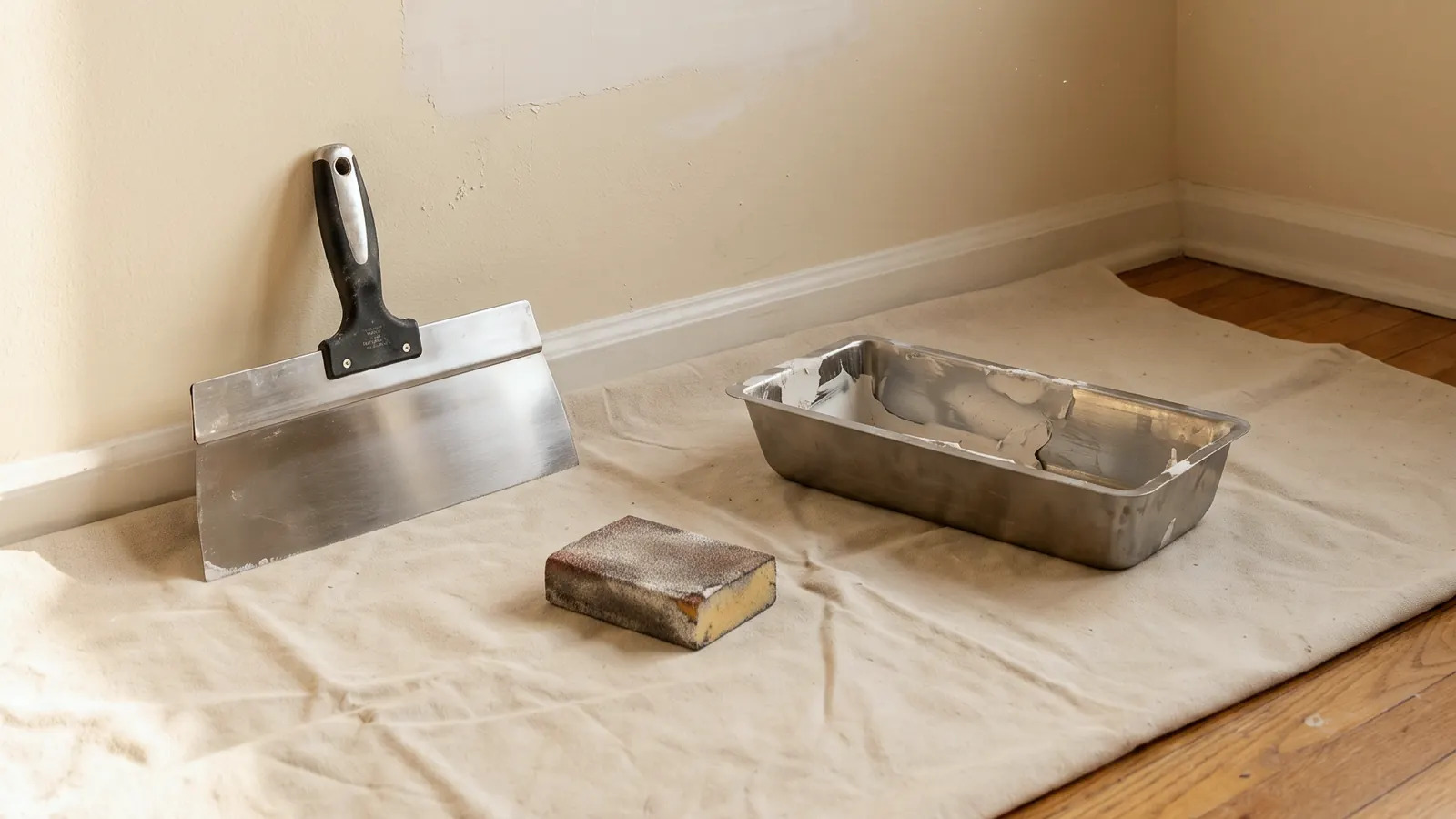
Marking studs and checking level first keeps the bracket straight and the anchoring solid.
Hiding Cables and Pre-Mount Checklist
A mounted TV with a dangling cord looks unfinished. Plan the cable path before mounting:
- Decide where the power outlet, streaming box, and soundbar will go.
- Consider an in-wall cable kit rated for in-wall power, rather than running a regular cord inside the wall.
- Leave a little slack so you can still reach ports.
- Keep cables away from sharp edges and heat.
A basic cable pass-through is one thing; adding wiring is another, and it may call for a qualified electrician and local permit rules. The LADBS permits and inspections page is a good place to learn when work needs a permit.
Run through this before installation day:
- [ ] Weight and VESA pattern of the TV noted
- [ ] Mount rated above the TV's weight and size
- [ ] Glare test done in morning and late afternoon
- [ ] Wall material identified
- [ ] Studs located and marked
- [ ] Viewing height set for seated eye level
- [ ] Cable and outlet plan decided
- [ ] Clear floor space and a stable ladder or step stool ready
Ladder safety matters, especially in rooms with high ceilings. The OSHA ladder page has basic safety information worth reading first.
When to Call a Pro
Plenty of homeowners can mount a modest TV on a standard wall with a stud finder, a level, and a helper. If that's your situation, take your time and follow the bracket instructions.
Hire help when:
- The TV is large or heavy and needs two steady people.
- The wall is stone, brick, plaster, or an unknown material.
- You want a full-motion arm on a high wall.
- You want cables hidden inside the wall.
- The room has vaulted ceilings or hard-to-reach spots.
- You'd rather not risk a hole in a finished wall.
A professional install means the wall is checked, hardware is matched to it, and the screen ends up level and secure. If you want to start simple, you can send a photo for a written quote showing the wall and room. For more on what's included, see our tv mounting service page, or learn about our work in Rancho Palos Verdes.
When choosing any contractor, the Contractors State License Board guide to hiring is a helpful consumer resource.
FAQ
Does coastal air damage a wall-mounted TV?
Salt and moisture can corrode cheap metal parts over time, mostly in damp or semi-outdoor spaces. Indoors, a quality mount with a good finish usually holds up, but check fasteners occasionally.
How do I reduce glare from ocean-view windows?
Place the TV on a wall perpendicular to the windows, use a mount that tilts or swivels, and add shades for the strongest light. Test the glare with the TV off at different times of day.
Can any mount go on a stone veneer wall?
No. Stone and brick need masonry-appropriate anchors and careful drilling. If you're unsure what's behind the veneer, have it checked before fastening anything.
Should I mount a TV above a fireplace?
It's often too high for comfortable viewing, and heat can affect electronics. A lower spot or an adjustable arm is usually easier on your neck and the TV.
Can I hide the power cord inside the wall?
You can run low-voltage cables inside a wall, and in-wall rated power kits exist. New outlets or wiring are electrical work and may require a qualified electrician and permit check.
Sources
- CSLB: Hire a Contractor
- LADBS: Permits and Inspections
- Earthquake Country Alliance: Step 1
- OSHA: Ladders
Safety note: work on electrical panels, gas, structure or anything that needs a permit should be done by a licensed contractor with the required permits.
STATOX Handyman Service · Send a photo · +1 (820) 200-4919
Keep reading
 tv mountingTV Mount Problems and Fixes: Wobble, Sag and Crooked ScreensNeed a tv wall mount wobbly fix? Learn why mounts wobble, sag or hang crooked, what to check first, and which repairs are safe to try yourself.
 tv mountingTV Mounting: DIY vs. Hiring a Handyman, Honestly ComparedWeighing diy tv mounting vs professional installation in Los Angeles? See what each route really involves, where DIY goes wrong, and how to choose wisely.
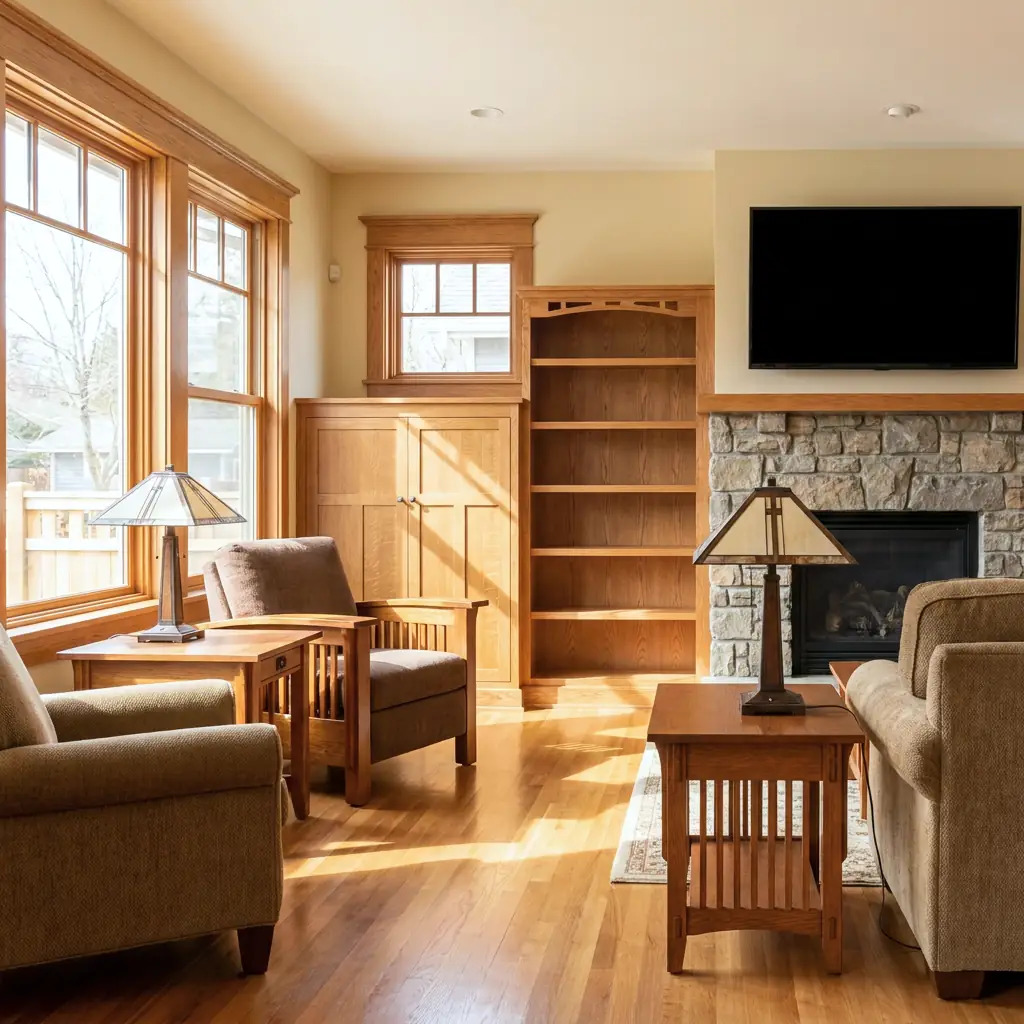 tv mountingMounting a TV in a Pasadena Craftsman or Older Plaster HomePlanning tv mounting in Pasadena? Learn how plaster, lath, and old wiring change the job, and what to check before you drill a single hole.