Vinyl Plank vs Hardwood vs Laminate: Which Fits?
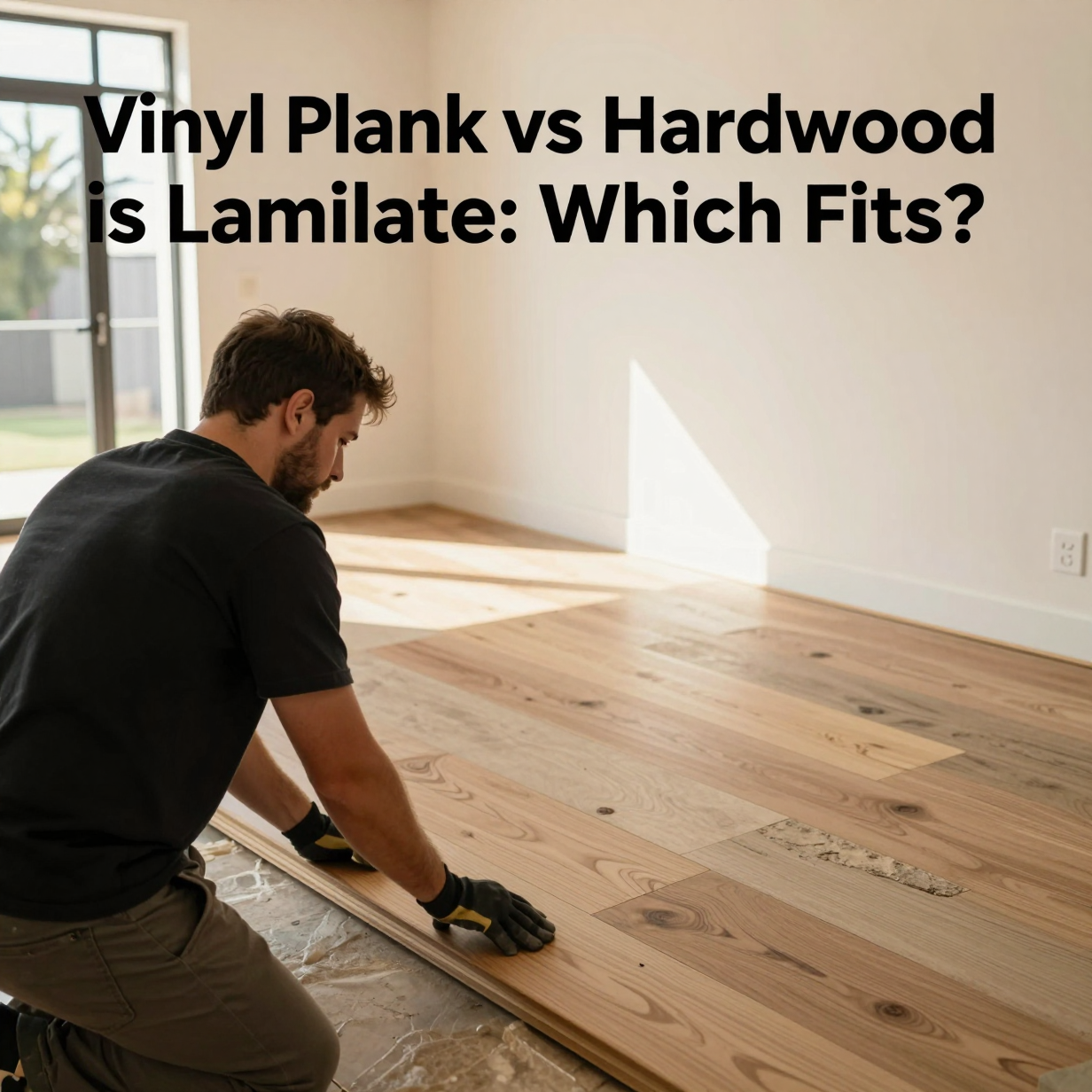
Vinyl plank is usually the safest pick for kitchens, baths, laundry rooms, and rentals because it tolerates water well. Hardwood suits living areas and bedrooms where you want a natural look that can be refinished. Laminate sits in between: a hard, scratch-resistant surface that works in dry, busy rooms when you want a wood look without a wood commitment.
How the three floors are actually built
Knowing what you are buying makes the rest of the decision easier.
Vinyl plank (often called LVP) is a synthetic floor made of layered plastic with a printed wood-look image and a clear wear layer. Most types are water-resistant at the surface, and many click together and float over the subfloor.
Hardwood is real wood. Solid boards are wood all the way through and are nailed or glued down. Engineered hardwood has a real wood top layer over a plywood-style core, which makes it more stable when humidity changes.
Laminate has a photographic image layer over a fiberboard-type core, sealed with a hard top coat. It usually floats and clicks together. The core is the weak point: if water reaches it and sits, it can swell.
Vinyl plank vs hardwood vs laminate at a glance
| Factor | Vinyl plank | Hardwood | Laminate |
|---|---|---|---|
| Water tolerance | Strong at the surface | Weakest; can cup or stain | Moderate; edges and seams are vulnerable |
| Scratch and dent resistance | Good, but can dent under heavy point loads | Softer species dent more easily | Very good against scratches |
| Can be refinished | No | Yes, solid and many engineered | No |
| Feel underfoot | Slightly soft, can feel quiet | Warm, solid | Hard, can sound hollow without good underlayment |
| Look | Convincing wood or stone looks | Authentic, one of a kind | Convincing but repeating patterns possible |
| Repair approach | Replace damaged planks | Sand, patch, or replace boards | Replace planks, if spares exist |
| Natural fit rooms | Kitchens, baths, entries, rentals | Living rooms, bedrooms, dining | Hallways, offices, bedrooms |
Treat the table as a starting point. Product quality varies widely inside each category, so the specific product matters as much as the type.
What Los Angeles homes change about the choice
Our climate is mild, but local conditions still shape what works.
Concrete slabs. Many LA homes, condos, and ground-floor units sit on concrete. Moisture can move up through a slab even when it looks dry. Solid hardwood is generally not suited to direct installation over slab, while engineered hardwood, vinyl, and laminate (with the right moisture barrier) are more common choices. Always check the manufacturer's slab requirements.
Raised foundations. Older bungalows often have wood subfloors over a crawl space. Hardwood is a natural fit, and you can sometimes match existing boards. Check for crawl-space moisture and ventilation first.
Sun exposure. Big west-facing windows and sliders deliver strong sun. Real wood can change color over time, and some vinyl and laminate products can fade or, in vinyl's case, soften and expand with heat from direct sun. Check the product's sun and temperature guidance.
Condo rules. Many LA buildings require specific sound-rated underlayment for upstairs units. Read your HOA rules before you buy anything.
Pets and kids. Scratches show differently on each surface. Hard laminate resists claws well, vinyl handles accidents well, and hardwood can be refinished later but will show wear sooner.
Room-by-room guidance

Water-resistant planks are a practical match for kitchens, where spills are routine.
Kitchens. Vinyl plank is the common choice because of dishwasher leaks, sink splashes, and dropped pots. Hardwood is possible but needs prompt cleanup of spills. Laminate is workable if seams are tight and you wipe up water quickly.
Bathrooms and laundry rooms. Choose vinyl plank. Hardwood and standard laminate are poor matches for rooms with steam, splashes, and potential appliance leaks.
Living rooms and dining rooms. Hardwood shines here. Engineered hardwood is a stable option if humidity or slab concerns apply. Vinyl and laminate are sensible if you have a busy household.
Bedrooms. Comfort and sound matter most. Hardwood and quality laminate or vinyl with a good underlayment all work. Many people add area rugs for warmth.
Entryways. Look for a tough wear layer. Vinyl handles wet shoes and grit well. Hardwood by the front door takes a beating from sand and moisture.
Stairs. Installing any of these on stairs is detailed work. Nosings, riser fit, and safety all matter. This is a job where careful craftsmanship pays off.
Before you buy: a quick decision checklist
- Check the subfloor. Is it concrete or wood? Is it flat, dry, and solid?
- Test for moisture on slabs, using the method the flooring manufacturer requires.
- Note the wet spots. List rooms with plumbing, appliances, or exterior doors.
- Think about the next 10 years. Will you refinish, sell, or rent the place?
- Read the install instructions. Expansion gaps, underlayment, and acclimation steps affect results.
- Ask about transitions. Doorways, tile edges, and height changes should be planned, not improvised.
- Order extra material for cuts and future repairs, and keep a few spare planks.
- Check HOA rules for sound ratings and approved products.
Indoor air and product choices
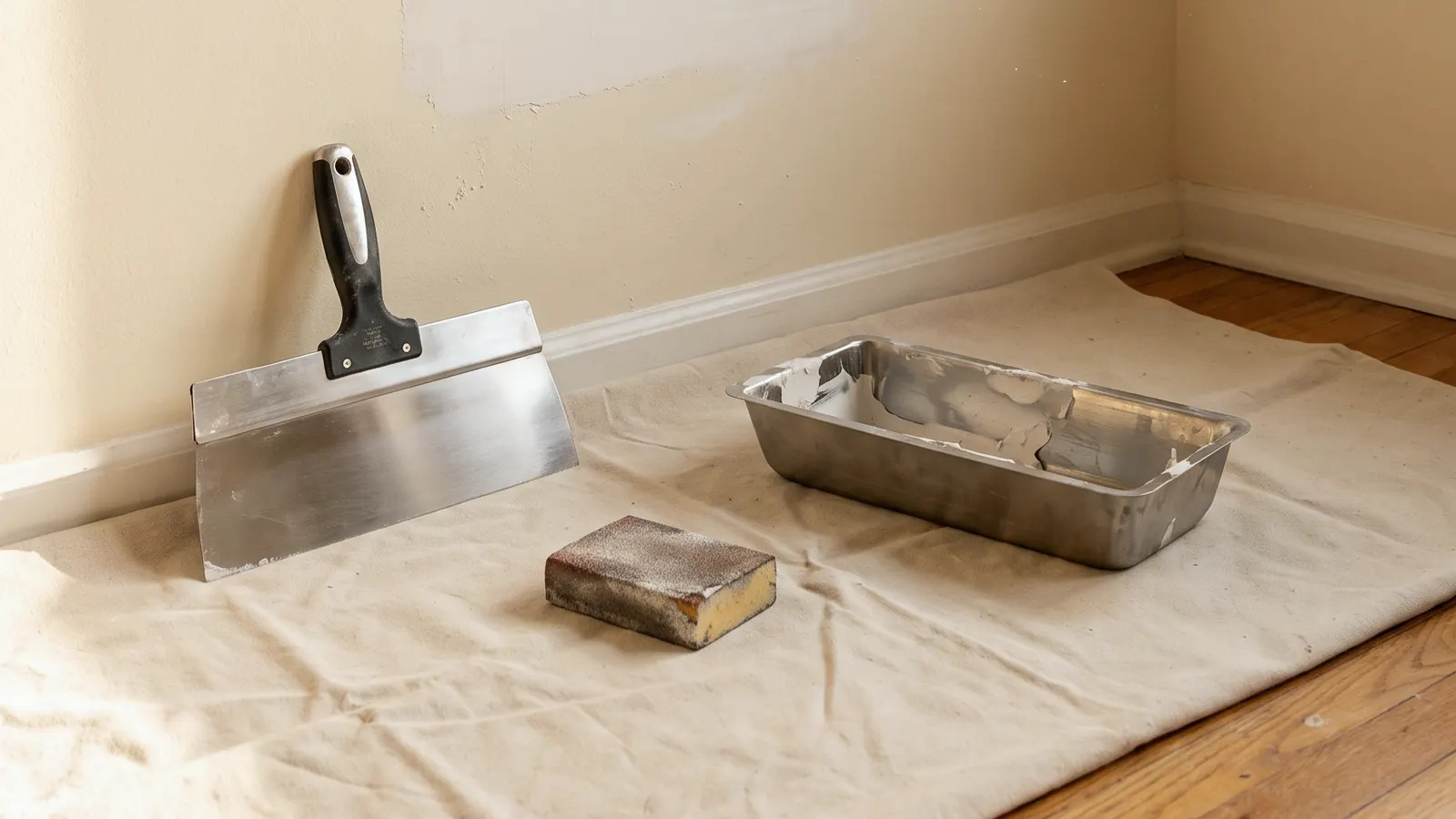
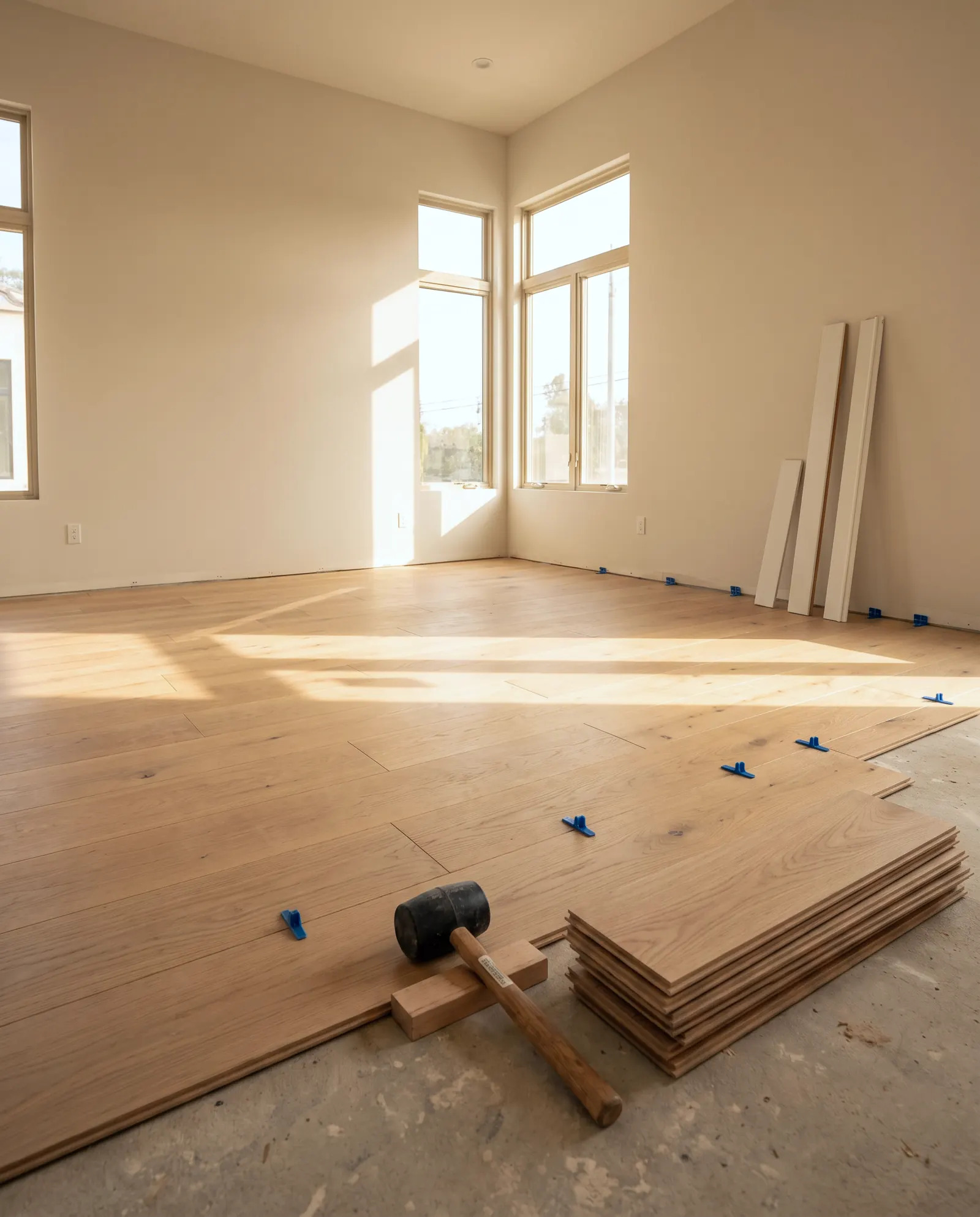
Spacers along the wall keep the expansion gap consistent as planks are clicked together.
New flooring, adhesives, and finishes can release volatile organic compounds (VOCs). The EPA notes that VOCs can affect indoor air quality and that ventilation during and after installation helps. Ask for product information on emissions, open windows when possible, and follow cure times on finishes and glues. Floating click-lock floors avoid some adhesives, while site-finished hardwood involves coatings that need airing out.
For general guidance on wood flooring, the National Wood Flooring Association is a helpful reference.
When to call a pro
A confident DIYer can often install a floating vinyl plank or laminate floor in a simple, square room with a flat subfloor. The tools are manageable, and the main skills are careful measuring and patience.
Hire help when:
- The subfloor is uneven, damaged, or needs leveling.
- You have a concrete slab with unknown moisture issues.
- You are working across multiple rooms with tricky transitions.
- You want nailed or glued hardwood, or sanding and refinishing.
- Stairs, built-ins, or tight cabinetry cuts are involved.
- You need old flooring removed and disposed of.
Small mistakes, like skipped expansion gaps or poor transitions, tend to show up months later as gaps, buckling, or squeaks. If you want help, our flooring service covers installation and repairs. You can also send a photo for a written quote so we can see the room before talking details.
If your project involves hiring any contractor, the California Contractors State License Board has consumer guidance on how to hire well, and it is worth reading before you sign anything. For larger remodels, check with LADBS on whether permits apply.
FAQ
Is vinyl plank cheaper than hardwood or laminate?
Costs vary by product, room, and subfloor prep, so there is no universal answer. Compare written quotes for the same square footage and the same scope, including removal, underlayment, and trim.
Can I put vinyl plank over existing flooring?
Sometimes, if the existing surface is flat, clean, and firmly attached, and the manufacturer allows it. Added height can affect doors, appliances, and transitions, so check those first.
Is laminate waterproof?
Not entirely. Some products have water-resistant surfaces or cores, but standard laminate can swell if water reaches the edges or seams. For wet rooms, vinyl plank is the more forgiving option.
Does hardwood work in Los Angeles homes with concrete slabs?
Engineered hardwood is often used on slabs when the manufacturer's moisture and installation requirements are met. Solid hardwood generally is not suited to direct installation over concrete.
Which floor adds the most value when selling?
Buyers often respond well to real hardwood, but a clean, well-installed floor of any type helps. Condition and consistency across the home usually matter more than the category.
Sources
- NWFA – National Wood Flooring Association
- EPA – Volatile Organic Compounds' Impact on Indoor Air Quality
- CSLB – Hire a Contractor
- LADBS – Permits and Inspections
Safety note: work on electrical panels, gas, structure or anything that needs a permit should be done by a licensed contractor with the required permits.
STATOX Handyman Service · Send a photo · +1 (820) 200-4919
Keep reading
 flooringSqueaky, Buckled, or Gapped Floors: Causes and FixesSqueaky floors, buckling, and gaps usually trace back to movement, moisture, or loose fastening. Learn how squeaky floors buckling gaps fix choices work.
 flooringDIY vs Hiring a Pro for Floor InstallationWeighing diy vs professional flooring installation in Los Angeles? See which floors suit a weekend project and which need a pro. Read before you buy.
 flooringFlooring Installation Prep Checklist for HomeownersUse this flooring installation prep checklist to clear rooms, check subfloors, and plan acclimation so install day goes smoothly. Read before you order.